PROJECT / EXTRAORDINARY BOOKS
Manuscript submission ecosystem for modern publishing house
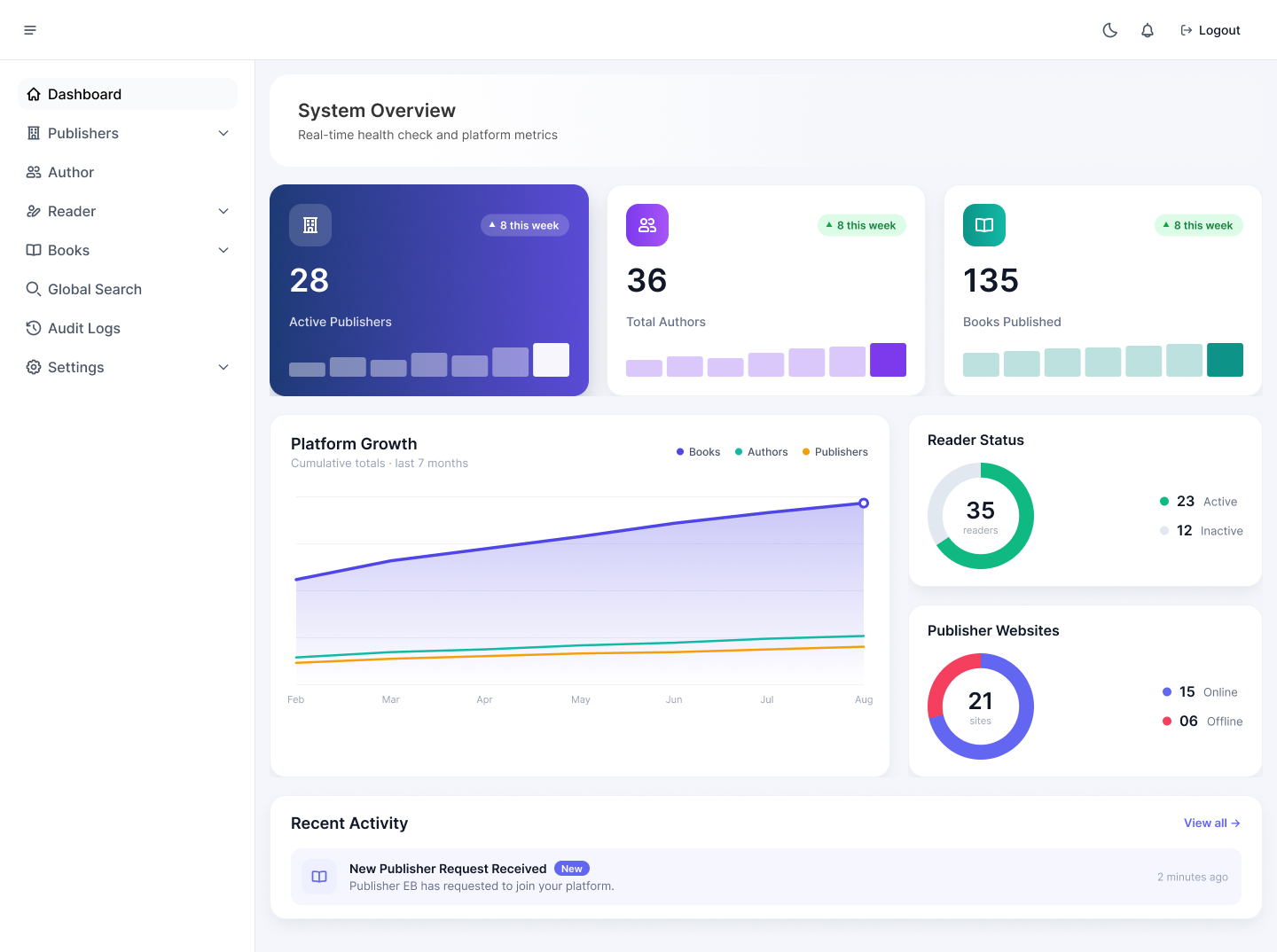
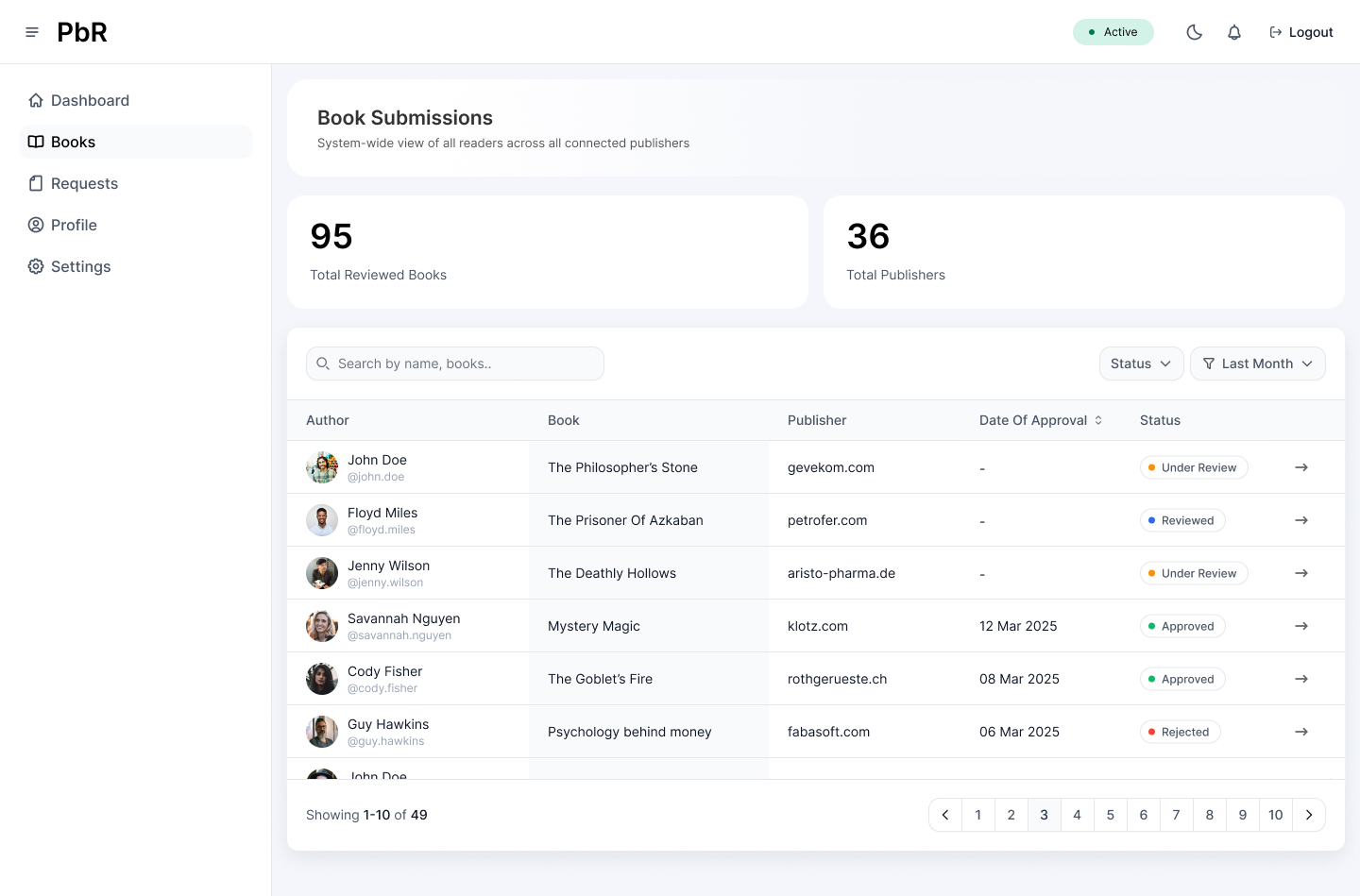
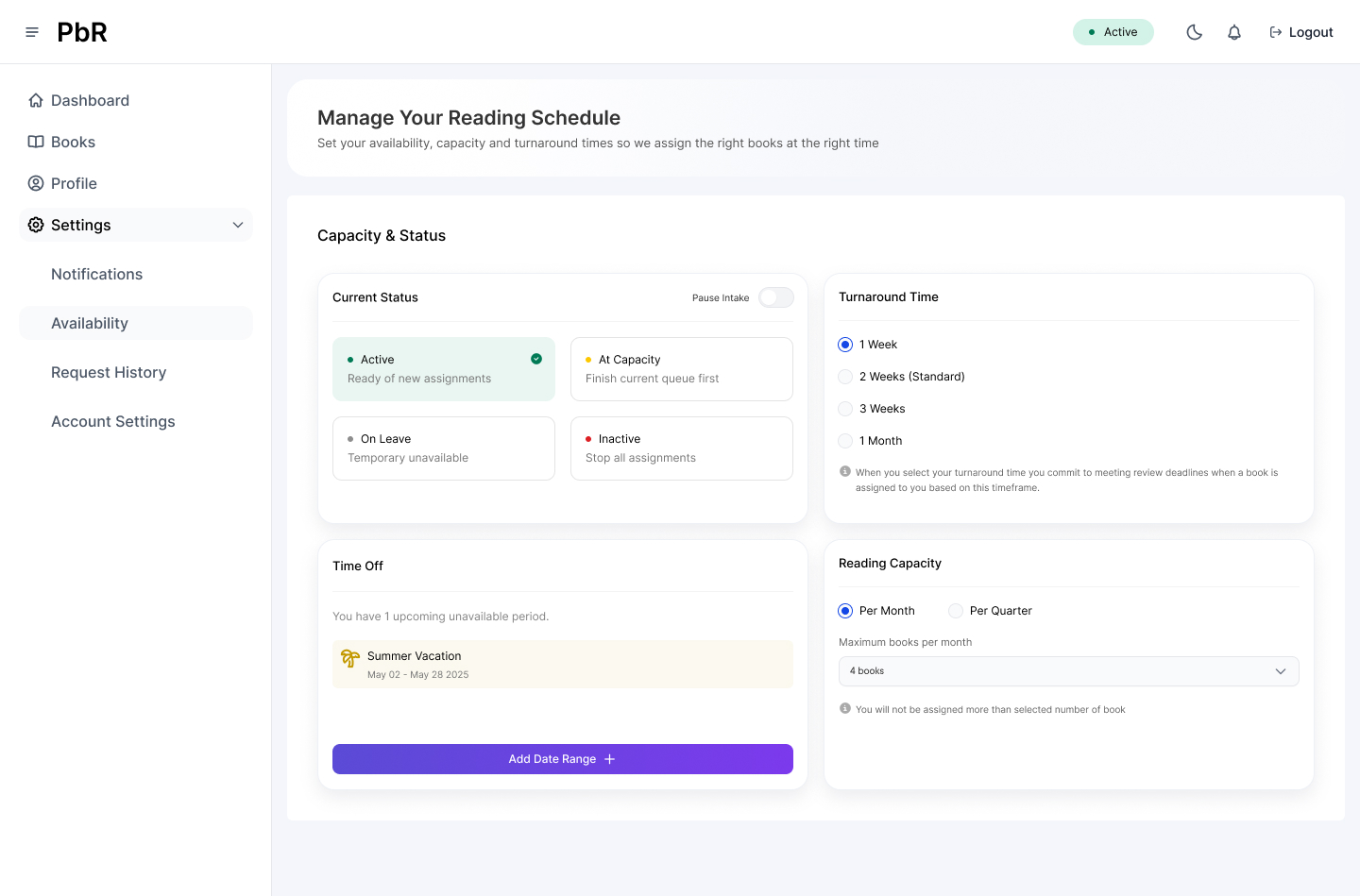
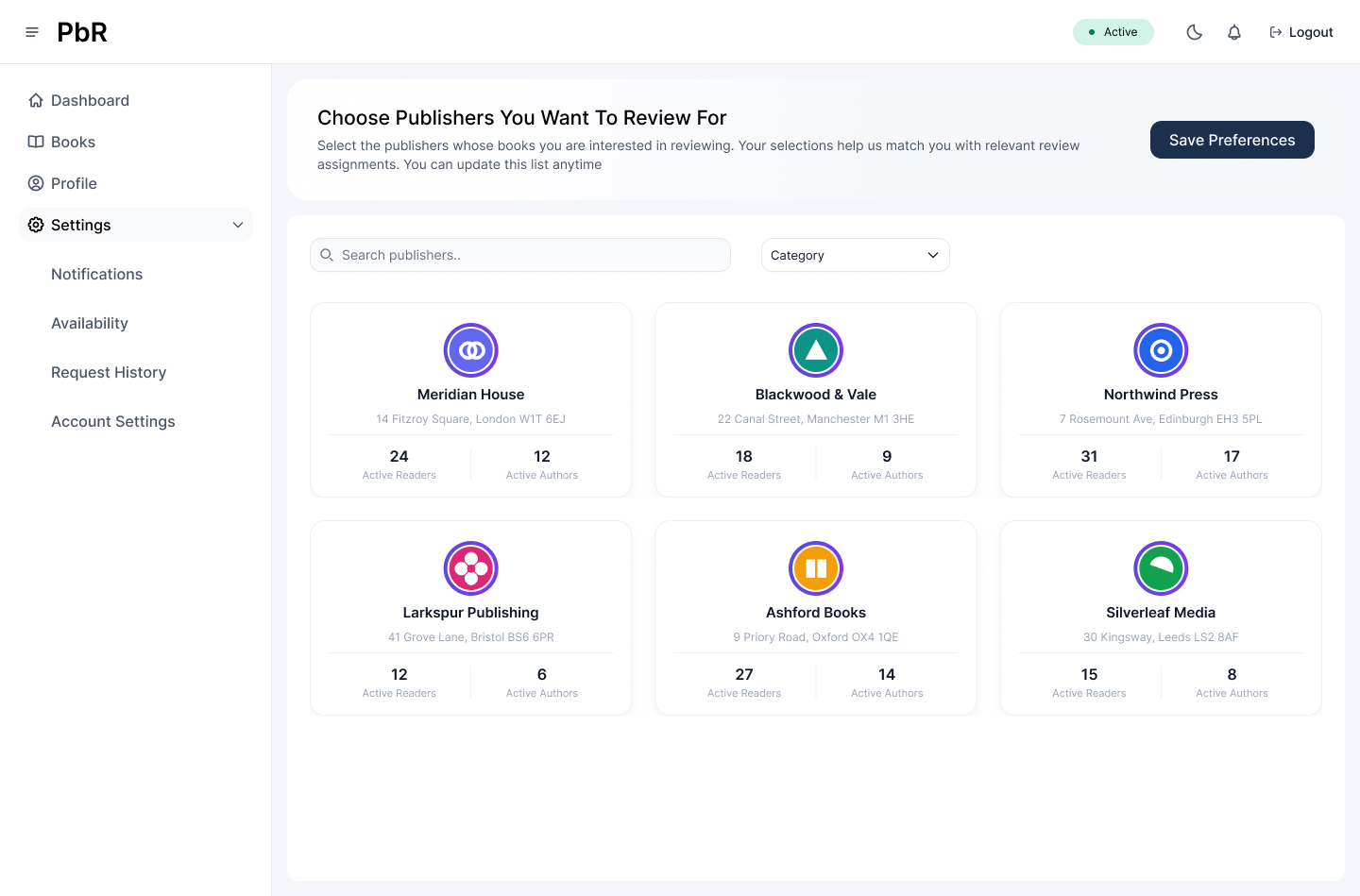
Building a publishing workflow into a structured, multi-stage submission and review platform connecting publishers, authors, readers, and administrators.

The challenge
Traditional manuscript submission systems often rely on disconnected emails, spreadsheets, manual review coordination, and fragmented communication between publishers, readers, and authors. Managing submissions at scale introduces operational complexity across multiple stages — especially when submissions move through pitch approvals, manuscript collection, reader assignments, deadlines, and final editorial decisions.
Discovery
The real product wasn’t the submission form. It was the workflow around it.
As I mapped the experience, I found that the difficult part wasn’t allowing someone to submit a pitch. The difficult part was everything that happened after submission.
A single submission could carry
- 01Multiple readers
- 02Different review stages
- 03Reader invitations
- 04Voting
- 05Feedback
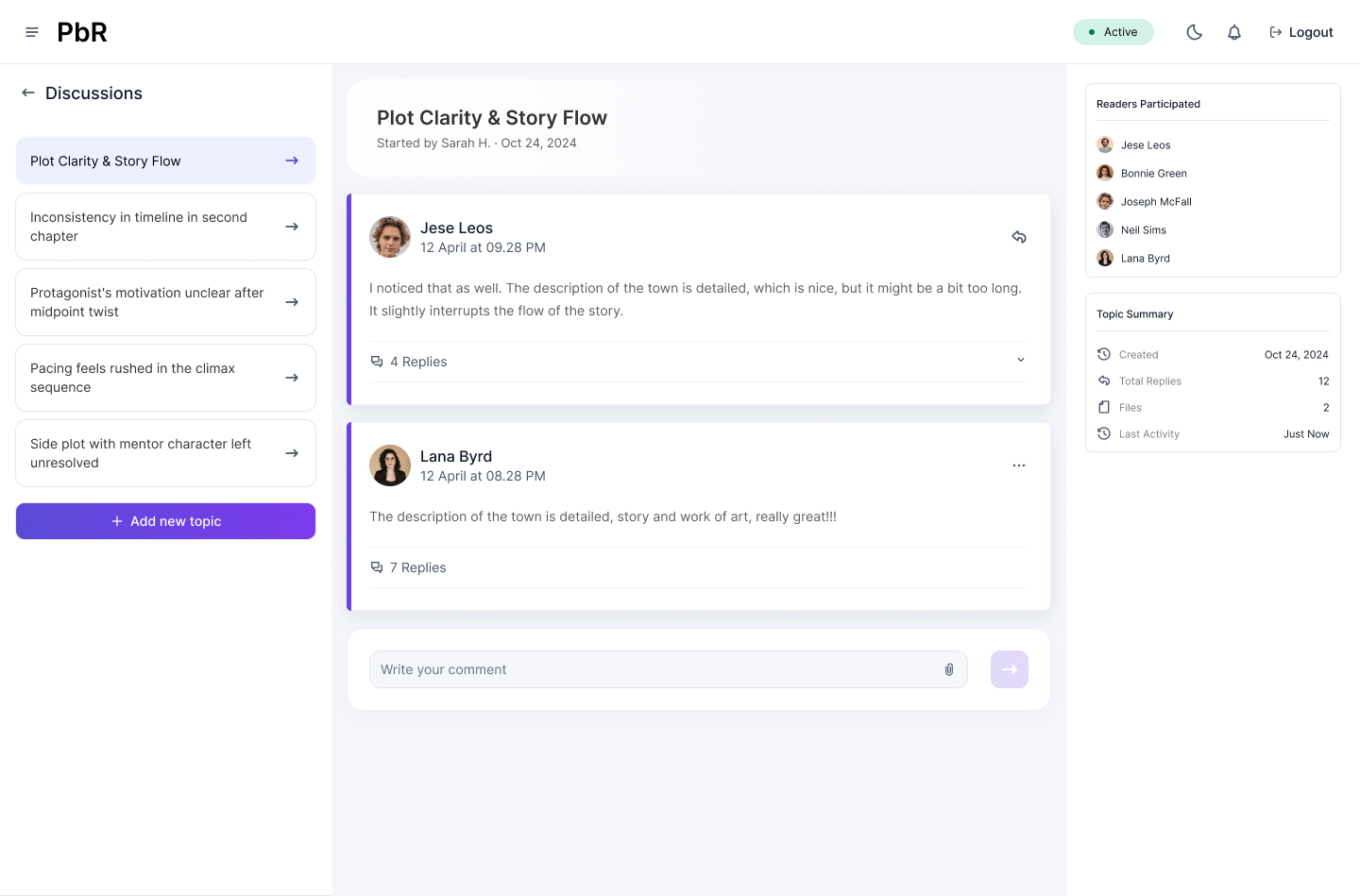
- 06Discussions
- 07Publisher decisions
- 08Notifications
- 09Deadlines
- 10Multiple outcomes
What it meant for design
Users could participate in multiple open calls at the same time. Every state above running in parallel, more than once, for the same person. The product needed to keep everyone oriented — without forcing them to understand the entire system.
The process
Instead of treating every state as another status, I separated the system into three things.
Future Scope
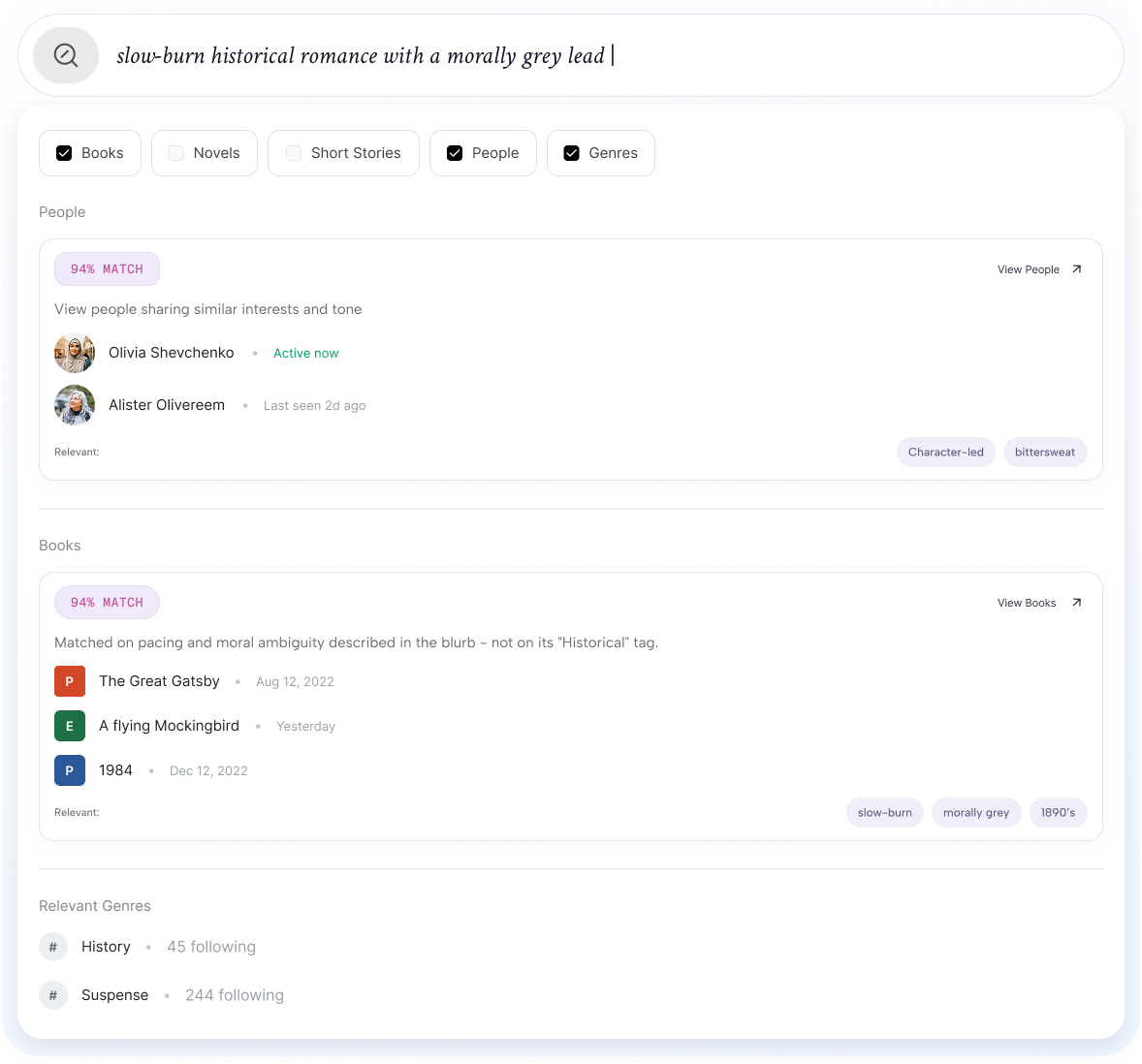
Search that reads the pitch, not the tags
A feature I thought worth adding, because nobody thinks in genre tags. They think something like the "last book I couldn't put down.".
The outcome
Project is in running phase, few of the features and design work including from very start had changed during my engagement, so the impact shown here reflects product and design outcomes rather than post-launch business metrics.